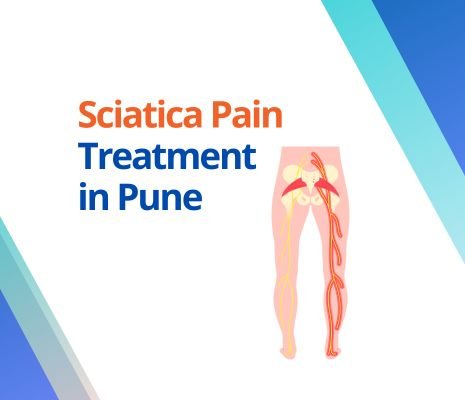
Are you experiencing lower back pain that travels down your hip, buttock or leg? Does the pain become worse while sitting, bending, driving or walking?
You may be suffering from sciatica, a condition caused by irritation or compression of nerves in the lower spine.
Sciatica can make everyday activities difficult, especially when the pain spreads from the lower back to one leg. Some patients experience sharp, shooting pain, while others complain of tingling, numbness, burning sensations or weakness.
The good news is that many cases of sciatica can improve without surgery.
In this article, Dr. Vishal Bhasme, Neurosurgeon and Spine Specialist in Pune, explains the causes, symptoms, treatment options and when medical intervention may be necessary.
What Is Sciatica Pain?
Sciatica refers to pain that travels along the pathway of the sciatic nerve, usually from the lower back through the buttock and down one leg.
The sciatic nerve is formed by nerve roots originating in the lower spine. These nerves help control movement and sensation in the legs.
When one of these nerve roots becomes irritated or compressed, it can cause pain that spreads into the leg.
A slipped disc, bulging disc or spinal stenosis may be responsible for this pressure.
Unlike ordinary muscular back pain, sciatica commonly produces pain below the buttock, sometimes extending into the calf or foot.
What Are the Common Symptoms of Sciatica?
The symptoms of sciatica depend on the affected nerve and the severity of irritation.
Common symptoms include:
- Lower back pain that travels into one leg.
- Sharp, shooting or electric shock-like pain.
- Burning sensation in the buttock, thigh or calf.
- Tingling or numbness in the leg or foot.
- Pain while sitting, bending or coughing.
- Difficulty standing or walking comfortably.
- Weakness in the affected leg in some cases.
Why Does Sciatica Pain Become Worse While Sitting?
Many patients notice that their sciatica becomes worse while working at a desk, driving or sitting for several hours.
Sitting can increase discomfort associated with certain disc-related problems. However, other spinal conditions may produce a different pattern of symptoms.
If you experience similar symptoms, read our detailed article on why sciatica pain becomes worse while sitting.
What Causes Sciatica Pain?
Sciatica is not a disease by itself. It is a symptom of irritation or compression involving nerves in the lower spine.
1. Slipped Disc or Herniated Disc
A slipped disc is one of the most common causes of sciatica.
The spine contains soft discs between the vertebrae. These discs act as cushions and help the spine move comfortably.
When part of a disc pushes outward and irritates a nearby nerve, it can cause pain travelling down the leg.
Not every slipped disc requires surgery. Many patients improve with appropriate treatment and rehabilitation.
For practical recovery advice, read Slipped Disc Recovery Tips: What Helps and What to Avoid.
2. Bulging Disc
A bulging disc occurs when a spinal disc extends beyond its usual boundary.
A disc bulge at L4-L5 or L5-S1 may sometimes irritate nerves connected to the legs.
However, not all disc bulges cause sciatica, and many people have disc bulges without experiencing pain.
To understand non-surgical recovery, read our guide on how to heal a bulging disc naturally.
3. Lumbar Spinal Stenosis
Spinal stenosis is a condition in which the spinal canal or openings around the nerves become narrower.
This narrowing may place pressure on nerve roots and cause leg pain, numbness or weakness.
Some patients experience more discomfort while standing or walking and feel better when sitting or bending forward.
Learn about the symptoms and available options for spinal stenosis treatment in Pune.
4. Age-Related Spine Changes
As we grow older, spinal discs and joints naturally change.
In some people, these changes may reduce the available space around spinal nerves, contributing to irritation and pain.
5. Spondylolisthesis
Spondylolisthesis occurs when one vertebra slips forward relative to another.
In certain cases, this movement can contribute to narrowing around a spinal nerve and lead to sciatica.
Can Sciatica Be Treated Without Surgery?
Yes. Many patients with sciatica recover without surgery.
Treatment depends on the cause of the pain, the severity of symptoms and whether there is significant nerve compression or weakness.
For patients without serious neurological symptoms, treatment usually begins with non-surgical options.
1. Physiotherapy and Guided Exercises
Physiotherapy can help improve strength, flexibility and movement.
Depending on the condition, a physiotherapist may recommend gentle core-strengthening exercises, mobility exercises and gradual walking.
However, exercises should be selected according to the patient’s symptoms. Avoid forcing movements that increase shooting pain down the leg.
2. Medication
A doctor may recommend appropriate pain-relieving medication for short-term symptom management.
The choice of medicine depends on medical history, other health conditions and potential side effects.
Avoid self-medicating for long periods without consulting a doctor.
3. Daily Activity and Lifestyle Changes
Simple modifications may help reduce discomfort:
- Avoid prolonged sitting.
- Take short movement breaks during work.
- Walk regularly within comfortable limits.
- Avoid lifting heavy objects during painful episodes.
- Maintain a comfortable sleeping position.
- Gradually return to normal activity.
Prolonged bed rest is usually not recommended.
4. Epidural Steroid Injections
In selected patients with acute, severe sciatica, epidural injections may be considered to provide short-term pain relief.
These injections do not permanently correct every underlying cause of nerve compression.
5. Weight Management and Exercise
Maintaining a healthy body weight, strengthening supporting muscles and staying physically active can help overall spine health.
If you have sciatica associated with a disc bulge, our article on natural bulging disc recovery explains useful everyday precautions.
When Does Sciatica Require Surgery?
One of the most common questions patients ask is:
“Will I need spine surgery for sciatica?”
The answer is not necessarily.
Many patients improve with conservative treatment. However, surgery may be considered when:
- Severe radiating leg pain continues despite appropriate treatment.
- Pain significantly affects sleep, work or walking.
- There is significant or progressive leg weakness.
- MRI findings and examination confirm a treatable source of nerve compression.
- Symptoms remain disabling despite non-surgical care.
Minimally Invasive and Endoscopic Spine Surgery
In selected cases, modern spine procedures can relieve pressure on the affected nerve through smaller incisions.
Depending on the condition, a spine surgeon may recommend a microdiscectomy, endoscopic discectomy or another decompression procedure.
Endoscopic techniques use a camera and specialised instruments to access the affected area.
These procedures may offer benefits for selected patients, but not every case is suitable for endoscopic surgery.
Read more about endoscopic spine surgery in Pune, its indications and potential benefits.
If another doctor has already recommended an operation, you may also consider a second opinion for spine surgery in Pune to understand the available options.
How Is Sciatica Diagnosed?
The diagnosis of sciatica begins with understanding the patient’s symptoms.
A spine specialist may ask:
- Where does the pain begin?
- Does the pain travel below the knee?
- Is there tingling or numbness?
- Does sitting or walking worsen the symptoms?
- Is there weakness in the leg or foot?
- How long has the pain continued?
A neurological examination helps assess muscle strength, reflexes, sensation and possible nerve irritation.
Is MRI Necessary for Sciatica?
Not every patient with sciatica needs an MRI immediately.
An MRI may be recommended when symptoms are persistent or severe, significant weakness is present, or the results may affect treatment decisions.
The MRI findings must be interpreted together with the patient’s symptoms and clinical examination.
How Long Does Sciatica Take to Heal?
The recovery period varies from patient to patient.
Many people experience gradual improvement over several weeks, while others may need a longer period of treatment and rehabilitation.
Recovery depends on:
- The cause of nerve irritation.
- The severity and duration of symptoms.
- Whether significant nerve compression exists.
- The patient’s general health.
- Response to treatment and rehabilitation.
If your leg pain continues, worsens or is associated with weakness, seek medical advice.
What Should You Avoid If You Have Sciatica?
During recovery, avoid activities that repeatedly worsen your symptoms.
These may include:
- Sitting continuously for several hours.
- Heavy lifting during a painful episode.
- Sudden bending and twisting movements.
- Aggressive stretches that increase leg pain.
- Staying in bed for several days without medical advice.
- Ignoring increasing numbness or weakness.
There is no single posture or exercise that works for every patient. The goal is to remain gently active while avoiding movements that significantly aggravate symptoms.
When Should You Consult a Neurosurgeon for Sciatica?
Consult a medical professional if:
- Pain travels from your back into your leg.
- Symptoms are not improving with initial treatment.
- Tingling or numbness becomes frequent.
- Pain affects sleep, walking or everyday activities.
- You experience leg or foot weakness.
- Sciatica keeps returning.
Seek emergency medical attention if you develop new difficulty passing urine, loss of bladder or bowel control, numbness around the groin or private parts, or rapidly worsening leg weakness.
For a detailed explanation of warning signs, read When Should Back Pain Be Checked by a Neurosurgeon?.
Sciatica Pain Treatment in Pune – Consult Dr. Vishal Bhasme
Dr. Vishal Bhasme is a Neurosurgeon and Spine Specialist in Pune with experience diagnosing and treating brain, spine and nerve-related conditions.
His clinical expertise includes:
- Sciatica and spinal nerve compression.
- Slipped and herniated discs.
- Bulging discs at L4-L5 and L5-S1.
- Spinal stenosis.
- Chronic back and leg pain.
- Minimally invasive spine procedures.
- Endoscopic spine surgery.
Dr. Bhasme evaluates each patient’s symptoms, examination findings and relevant investigations before recommending appropriate treatment.
Patients can seek consultation at locations including Ruby Hall Clinic, Sangamwadi and Wanowrie, and Lopmudra Hospitals in Pune, subject to appointment availability.
Frequently Asked Questions About Sciatica Pain
1. What is the best treatment for sciatica pain?
The best treatment depends on the underlying cause and severity. Many patients improve with physiotherapy, guided exercise, activity modification and appropriate medication. Selected cases may require injections or surgery.
2. Can sciatica heal without surgery?
Yes. Many patients recover without surgery. Non-surgical treatment is generally considered first when there is no serious or progressive neurological problem.
3. Is walking good for sciatica?
Gentle walking is often helpful and can prevent stiffness. However, walking should be adjusted if it significantly increases radiating pain, numbness or weakness.
4. Which doctor should I consult for sciatica in Pune?
A qualified spine specialist, orthopaedic spine surgeon or neurosurgeon can evaluate persistent sciatica and determine the appropriate treatment.
5. Can a slipped disc cause sciatica?
Yes. A herniated disc may irritate a spinal nerve root, causing pain that travels into the leg.
6. Does an L4-L5 or L5-S1 disc bulge require surgery?
Not always. Many people with disc bulges improve without surgery. The decision depends on symptoms, nerve function and examination findings rather than MRI results alone.
7. Is endoscopic spine surgery suitable for sciatica?
It may be suitable for selected patients with surgically treatable nerve compression. A spine surgeon can determine whether an endoscopic or another approach is appropriate.
8. Can sciatica return after treatment?
Yes. Symptoms can recur, particularly if the underlying problem persists or another spinal condition develops.
Conclusion
Sciatica can cause significant discomfort, especially when lower back pain spreads into the leg and affects walking, sitting or daily activities.
However, many patients improve with appropriate non-surgical treatment.
Understanding the cause of pain, remaining safely active and recognising warning signs are important steps towards recovery.
If you are experiencing persistent sciatica, shooting leg pain, tingling or numbness, consider a consultation with a qualified spine specialist.
Looking for sciatica pain treatment in Pune?
Consult Dr. Vishal Bhasme, Neurosurgeon and Spine Specialist, for an assessment and personalised treatment guidance.
Book an Appointment with Dr. Vishal Bhasme
Appointment: +91 8208378938
Medical Disclaimer: This article is intended for general health awareness and should not replace personalised medical consultation, diagnosis or treatment.