Most people can recover with proper slip disc treatment in Pune without requiring surgery. Complete bed rest is usually not recommended. Short walks, comfortable movements, prescribed exercises and avoiding activities that worsen leg or arm pain can support recovery.
The right approach, however, depends on whether the disc problem is in your neck or lower back, which nerve is affected and whether you have symptoms such as numbness or weakness.
What Is a Slipped Disc?
Your spinal discs are soft cushions located between the bones of your spine. They absorb pressure and help your spine move smoothly. Learn more about the symptoms, diagnosis and available options for herniated disc treatment in Pune
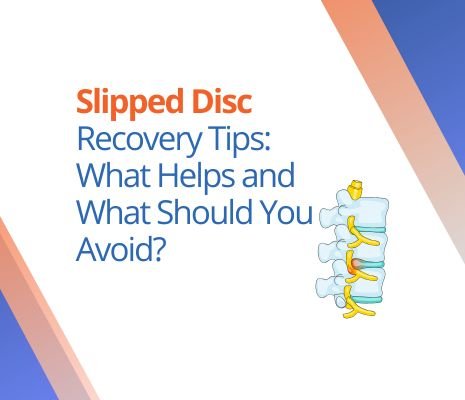
A “slipped disc” does not actually slip out of position. The medical term is a herniated disc or prolapsed disc. It occurs when the soft material inside a disc pushes through a weakened area in its outer covering.
If the disc irritates or compresses a nearby nerve, it may cause:
- Back or neck pain
- Pain travelling into the leg or arm
- Sciatica
- Tingling or pins and needles
- Numbness
- Muscle weakness
- Pain that worsens while sitting, bending, coughing or sneezing
Some people have a disc bulge on an MRI without experiencing any symptoms. This is why treatment should be based on your symptoms and physical examination—not only on the MRI report.
Can a Slipped Disc Heal Without Surgery?
Yes. Most herniated discs do not require surgery. According to the American Association of Neurological Surgeons, symptoms of sciatica or nerve irritation improve over time in approximately 9 out of 10 people. The recovery period can range from a few days to several weeks, depending on the severity of the condition. AANS
Medicines, activity modification and physiotherapy are usually tried first. Surgery may be considered when symptoms do not improve, pain remains severe or nerve compression causes increasing weakness.
What Are the Best Tips for Slipped Disc Recovery?
1. Avoid Prolonged Bed Rest
Resting for a short period may be helpful when pain is severe. However, remaining in bed for several days can cause muscle stiffness, weakness and slower recovery.
Try to return gradually to light daily activities as your pain allows. The NHS advises staying active and beginning gentle movement as soon as possible because this may support faster recovery. NHS
2. Take Short, Gentle Walks
Walking is one of the simplest ways to remain active during slipped disc recovery.
Begin with a short distance on a flat surface. You may walk for five to ten minutes several times a day instead of completing one long walk. Gradually increase the distance as your symptoms improve.
Stop and seek professional advice if walking causes:
- A significant increase in leg or arm pain
- New numbness
- Increasing weakness
- Loss of balance
Some discomfort during movement does not always mean that you are causing damage. However, severe or progressively worsening symptoms should not be ignored.
3. Change Your Position Regularly
Remaining in one position for too long can increase pressure and stiffness.
If you work at a desk, change your position or stand up approximately every 30–45 minutes. You can take a brief walk, gently stretch or complete a task while standing.
Avoid spending hours sitting on a sofa or working from bed, as these positions may make it more difficult to maintain comfortable spinal support.
4. Make Sitting More Comfortable
If sitting worsens your symptoms:
- Use a firm and supportive chair.
- Keep both feet comfortably supported.
- Avoid sitting with a wallet or phone in your back pocket.
- Place a small rolled towel behind your lower back if it feels comfortable.
- Keep frequently used items within easy reach.
- Avoid leaning or twisting repeatedly to one side.
There is no single “perfect posture” that must be maintained all day. Regularly changing between comfortable positions is generally more practical than trying to sit rigidly.
5. Use a Comfortable Sleeping Position
Your sleeping position cannot push a herniated disc back into place, but good support may make sleeping more comfortable.
You may try:
- Sleeping on your side: Place a pillow between your knees.
- Sleeping on your back: Place a pillow beneath your knees.
- For neck-related symptoms: Use a pillow that keeps your neck supported without bending it excessively forward or sideways.
Use the position that reduces your symptoms. A very expensive or extremely firm mattress is not automatically better for everyone.
6. Use Heat or Cold Carefully
A cold pack may help during an early painful episode, particularly when the area feels inflamed. Heat may be more comfortable when muscle tightness or stiffness is the main concern.
Wrap the pack in a towel and use it for approximately 15–20 minutes at a time. Do not apply extreme heat or ice directly to the skin, and avoid using it over areas with reduced sensation.
Heat and cold may provide temporary comfort, but they do not directly repair the disc.
7. Take Pain Medicines Only as Advised
Pain relief can make it easier to walk, sleep and participate in physiotherapy. Your doctor may recommend appropriate medicines based on your symptoms and medical history.
Do not repeatedly take pain medicines or steroids without medical supervision. Anti-inflammatory medicines may not be suitable for people with certain kidney, stomach, heart or bleeding-related conditions.
Speak to your doctor or pharmacist before taking a new medicine, especially if you have another medical condition or already use prescription medication.
8. Begin Physiotherapy at the Right Time
Physiotherapy can help improve mobility, strengthen supporting muscles and guide you back to normal activities.
A physiotherapist may recommend exercises based on:
- The location of the herniated disc
- Whether pain travels into your arm or leg
- Your strength and flexibility
- Your work requirements
- Your usual activity level
- Movements that improve or worsen your symptoms
Avoid copying random slipped-disc exercises from social media. An exercise that helps one person may aggravate another person’s nerve symptoms.
9. Avoid Heavy Lifting During a Painful Episode
During early recovery, avoid suddenly lifting heavy objects, particularly when bending and twisting at the same time.
When you need to lift something:
- Keep the object close to your body.
- Avoid twisting while holding it.
- Divide heavy loads into smaller loads.
- Ask for assistance when necessary.
- Increase lifting gradually as your strength returns.
Long-term recovery does not mean that you must avoid lifting forever. A supervised strengthening and return-to-work plan can help you resume normal activities safely.
10. Do Not Rush Back Into Intense Exercise
Running, gym workouts and sports may be resumed gradually when pain, movement and strength improve.
Start with lower-intensity activity. Increase only one factor—such as duration, resistance or speed—at a time. If pain starts travelling farther down the leg or arm, or numbness and weakness increase, pause the activity and speak with your doctor or physiotherapist.
11. Support Your General Health
Recovery can also be influenced by your sleep, stress level and overall health.
Helpful habits include:
- Getting adequate sleep
- Eating balanced meals with enough protein
- Drinking sufficient water
- Avoiding smoking
- Managing body weight where appropriate
- Following treatment for diabetes or other medical conditions
- Gradually rebuilding strength and cardiovascular fitness
Smoking can affect circulation and tissue health. If you smoke, discussing a cessation plan with your doctor may support both your spinal and overall health.
What Should You Avoid With a Slipped Disc?
During recovery, try to avoid:
- Complete bed rest for several days
- Repeated heavy lifting
- Forceful bending or twisting
- Exercises that significantly increase radiating pain
- Aggressive spinal manipulation without a proper diagnosis
- Taking steroids or pain medicines without medical advice
- Constantly testing painful movements
- Returning suddenly to heavy gym workouts
- Ignoring increasing weakness or numbness
Fear can also slow recovery. A herniated disc does not automatically mean that your spine is permanently damaged or that surgery is unavoidable.
Is an MRI Always Necessary?
Not always. An MRI may not be needed immediately when symptoms are recent and there are no warning signs.
NICE recommends against routine imaging for uncomplicated lower-back pain or sciatica in a non-specialist setting. Imaging is generally considered when the result is likely to change treatment or when serious nerve compression or another condition is suspected. NICE
Your doctor will decide whether an MRI is required after reviewing your symptoms and examining your strength, reflexes and sensation. A disc bulge found on an MRI does not always mean spine surgery is needed
When Should You Consult a Spine Specialist?
Arrange a medical evaluation if:
- Pain remains severe despite rest and prescribed treatment.
- Symptoms are not improving after a few weeks.
- Pain repeatedly travels into an arm or leg.
- Numbness or tingling is persistent.
- Your hand, foot or leg feels weak.
- Symptoms interfere significantly with walking, working or sleeping.
- You have repeated episodes of disabling pain.
- You are uncertain whether physiotherapy or exercise is safe.
A consultation does not automatically mean surgery. It helps determine which nerve may be affected and whether conservative treatment remains appropriate.
What Are the Emergency Warning Signs?
Seek emergency medical care if you experience:
- Difficulty starting or controlling urination
- Loss of bowel control
- Numbness around the genitals, inner thighs or buttocks
- Loss of sensation in both legs
- Rapidly worsening leg or arm weakness
- Severe pain following a major fall or accident
These symptoms can indicate serious nerve compression and require urgent assessment. NHS
When Is Surgery Considered for a Slipped Disc?
Surgery may be discussed when:
- Severe radiating pain continues despite appropriate non-surgical care.
- Weakness is significant or getting worse.
- Nerve compression affects walking or daily function.
- Bladder or bowel symptoms develop.
- Clinical findings and MRI results identify a treatable source of nerve compression.
When surgery is appropriate, procedures such as microdiscectomy or endoscopic spine surgery may remove the portion of the disc pressing on the nerve. The best procedure depends on the location of the herniation, the patient’s symptoms and the surgeon’s assessment.
Frequently Asked Questions
Is walking good for a slipped disc?
Walking is generally encouraged when it is comfortable. Start with short walks and gradually increase the distance. Stop and seek advice if walking causes severe radiating pain or increasing weakness.
How long does a slipped disc take to recover?
Recovery varies. Some people improve within days, while others require several weeks or longer. The severity of nerve irritation, activity level and presence of weakness can influence recovery.
Can massage cure a slipped disc?
Massage may temporarily relax tight muscles, but it does not place the disc back into position or remove nerve compression. Avoid aggressive massage when pain is severe or accompanied by numbness or weakness.
Can I go to the gym with a slipped disc?
You may be able to return gradually after your symptoms and strength improve. Begin with professionally recommended exercises and avoid immediately resuming heavy lifting or high-impact workouts.
Does every slipped disc require surgery?
No. Most cases improve without surgery. Surgery is generally reserved for persistent disabling symptoms, worsening weakness or serious nerve compression.
Can a slipped disc happen again?
Symptoms can recur, particularly if strength and activity are not rebuilt gradually. Regular exercise, sensible lifting techniques, avoiding smoking and maintaining general fitness may reduce future problems, although recurrence cannot always be prevented.
Final Advice
A slipped disc can be painful and worrying, but it does not automatically mean permanent damage or spine surgery. Remaining gently active, changing positions regularly, following an individual physiotherapy plan and monitoring nerve symptoms can support recovery.
If your pain is persistent, travels into your arm or leg, or causes numbness or weakness, consult a qualified spine specialist for a proper diagnosis and personalised treatment plan.
This article provides general educational information and is not a substitute for an examination, diagnosis or individual medical advice.