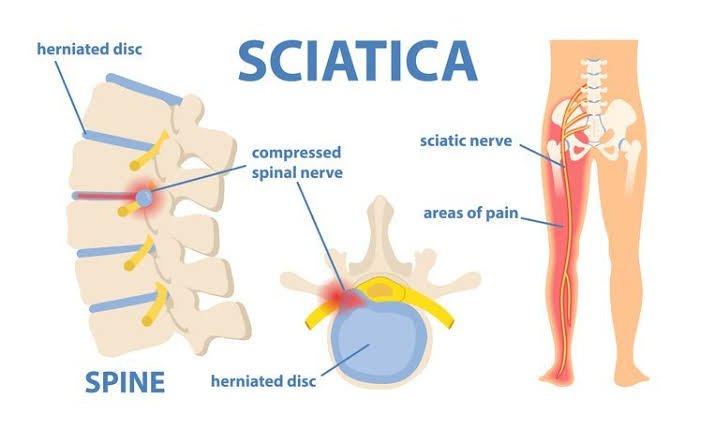
A pinched nerve in the lower back can cause pain, tingling, numbness, or weakness that may travel from your back into the buttock, leg, or foot.
Many people think it is just regular back pain, but nerve pain often feels different. It may feel sharp, burning, electric, or like pins and needles. In some cases, the leg pain can be worse than the back pain itself.
The good news is that many pinched nerves improve with the right treatment and do not need surgery.
What Is a Pinched Nerve in the Lower Back?
Your lower spine contains nerves that travel from the back into the legs.
A pinched nerve happens when one of these nerves becomes pressed or irritated. This can happen because of a slip disc, disc bulge, narrowing of the spinal canal, or age-related changes in the spine.
The symptoms depend on which nerve is affected and how much pressure is present.
Common Symptoms of a Pinched Nerve in the Lower Back
The most common symptoms include:
- Lower back pain
- Pain travelling into the buttock or leg
- Tingling or pins and needles
- Numbness in the leg or foot
- Burning or shooting pain
- Weakness in the leg
- Difficulty walking
- Pain that gets worse while sitting or bending
You may have only one symptom or a combination of several.
Pain That Travels Down the Leg
One of the clearest signs of a pinched nerve is pain that starts in the lower back and moves down the leg.
The pain may travel through the:
Lower back → Buttock → Thigh → Calf → Foot
This is commonly seen in sciatica, where a nerve in the lower spine becomes irritated or compressed.
The pain may be mild in some people and severe in others.
Tingling or Pins and Needles
A compressed nerve can cause tingling in the leg, foot, or toes.
Some people describe it as:
- Pins and needles
- Mild electric shocks
- Crawling sensation
- A feeling that the foot has “gone to sleep”
If the tingling continues for several days or keeps returning, it is worth getting checked.
Numbness in the Leg or Foot
Numbness is another common symptom of nerve compression.
You may notice reduced sensation in the:
- Thigh
- Calf
- Heel
- Ankle
- Foot
- Toes
The location of the numbness can sometimes give the doctor an idea about which nerve is affected.
Weakness in the Leg
Weakness should not be ignored.
You may notice difficulty while:
- Climbing stairs
- Standing on your toes
- Walking on your heels
- Lifting your foot
- Walking for long distances
- Maintaining balance
Some patients say that one leg feels heavier or weaker than the other.
If weakness is increasing, it is important to consult a spine specialist early.
What Causes a Pinched Nerve in the Lower Back?
Several conditions can put pressure on a nerve.
Slip Disc
A slip disc or herniated disc happens when the soft material inside a spinal disc pushes outward and irritates a nearby nerve.
This is one of the most common reasons for pain travelling from the back into the leg.
Disc Bulge
A disc bulge is common, especially with age.
Many disc bulges cause no symptoms. Problems usually occur when the bulge presses on a nearby nerve.
Spinal Canal Stenosis
Spinal stenosis means the space available for the nerves becomes narrow.
This can cause leg pain, numbness, or heaviness, especially while standing or walking.
Age-Related Spine Changes
As we grow older, spinal discs and joints can wear down. Bone changes or thickened tissues may reduce the space around the nerves.
Is a Pinched Nerve the Same as Sciatica?
A pinched nerve and sciatica are related, but they are not exactly the same.
A pinched nerve means a nerve is under pressure or irritation.
Sciatica refers to symptoms such as pain, tingling, numbness, or weakness that travel along the sciatic nerve into the leg.
A pinched nerve in the lower back is a common cause of sciatica.
How Is a Pinched Nerve Diagnosed?
Diagnosis usually starts with understanding your symptoms.
A doctor may check:
- Muscle strength
- Reflexes
- Sensation in the leg
- Walking and balance
- Where the pain or numbness is located
If needed, an MRI of the lower spine may be advised to look for a slip disc, nerve compression, or spinal stenosis.
An MRI report alone does not decide treatment. The scan should match the symptoms and examination findings.
Does a Pinched Nerve Need Surgery?
In most cases, no.
Many patients improve with non-surgical treatment such as:
- Medication
- Physiotherapy
- Gentle exercises
- Posture correction
- Activity modification
- Pain-management treatment
Surgery is usually considered only when there is severe nerve compression or symptoms are not improving.
It may be recommended if there is:
- Persistent severe leg pain
- Increasing numbness
- Progressive weakness
- Difficulty walking
- Significant nerve compression on MRI
- No improvement despite proper treatment
When Should You See a Doctor?
You should consider seeing a doctor if:
- Pain lasts for more than a few days
- Pain keeps coming back
- Pain travels below the knee
- Numbness or tingling is increasing
- Your leg feels weak
- Walking has become difficult
- You have an MRI showing nerve compression
Early evaluation can help prevent symptoms from getting worse.
When Is a Pinched Nerve an Emergency?
Seek urgent medical attention if you develop:
- Loss of bladder control
- Loss of bowel control
- Numbness around the inner thighs or private area
- Sudden severe weakness in one or both legs
- Difficulty standing or walking suddenly
These can be signs of severe nerve compression and need immediate medical assessment.
Can a Pinched Nerve Heal on Its Own?
Sometimes, yes.
Mild nerve irritation caused by inflammation or a small disc problem can settle with rest, medication, physiotherapy, and time.
However, if symptoms are getting worse instead of better, it is better not to wait too long.
When Should You Consult a Neurosurgeon?
You may need a neurosurgeon or spine specialist if you have persistent sciatica, leg numbness, weakness, difficulty walking, or significant nerve compression seen on MRI.
A neurosurgeon consultation does not automatically mean surgery.
The purpose of the consultation is to understand the cause of the nerve compression and decide whether you need medication, physiotherapy, further tests, or surgery.
Pinched Nerve Treatment in Pune
If you are experiencing lower back pain with leg pain, tingling, numbness, or weakness, a proper spine evaluation can help identify the cause.
Dr. Vishal Bhasme, Neurosurgeon and Brain & Spine Specialist in Pune, evaluates conditions such as slip disc, sciatica, nerve compression, spinal stenosis, and other spine problems.
Patients can also consult for an MRI review or second opinion for spine surgery.
Book a Consultation | MRI Review | Second Opinion