A bulging disc can cause sharp pain, numbness, or tingling in your back, neck, arms, or legs. It can make everyday activities uncomfortable. The good thing is that many bulging discs get better naturally with the right care. You don’t always need surgery.
Here’s an easy guide to help you heal safely at home.
What Is a Bulging Disc?
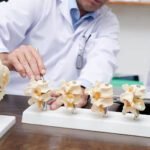
Your spine has small bones called vertebrae, and between them are soft discs that act like cushions. When one of these discs pushes outward because of aging, bad posture, or an injury, it’s called a bulging disc. This bulge can touch nearby nerves and cause pain, burning, or tingling.
Natural Ways to Heal a Bulging Disc
1. Rest, But Don’t Stay in Bed All Day
Rest for a day or two to calm the pain. But lying down for long hours slows your recovery.
Gentle walking or light movement helps your back heal faster.
2. Use Ice and Heat
Ice helps in the first 48 hours by reducing swelling and numbing the pain. After that, use heat to relax stiff muscles and reduce spasms. You can switch between both if it feels good.
3. Improve Your Posture
Bad posture puts pressure on your spine and slows healing.
Try to:
✔ Sit straight with your spine neutral
✔ Use a small pillow for lower-back support
✔ Avoid bending forward suddenly
✔ Take short breaks from sitting for too long
Small changes make a big difference.
4. Do Gentle Stretching and Simple Exercises
Light stretches reduce nerve pressure and help your back muscles support the spine.
Useful exercises include:
- Cat–cow stretch
- Pelvic tilts
- Child’s pose
- Hamstring stretches
- Gentle core exercises
Start slowly and stop if any movement increases your pain.
5. Try McKenzie Extension Exercises
These exercises help move the pain away from your arms or legs and bring it back to the spine — which is a good sign of healing. A physiotherapist trained in the McKenzie technique can guide you properly.
6. Eat Foods That Reduce Inflammation
What you eat can affect your pain. Choose foods like:
- Turmeric
- Ginger
- Leafy vegetables
- Walnuts, flaxseeds, fish
- Berries
- Olive oil
Try to avoid junk food, too much sugar, and fried items.
7. Drink Enough Water
Your spinal discs need water to stay soft and flexible. Staying hydrated helps healing.
8. Try Massage or Myofascial Release
A trained therapist can gently loosen tight muscles and improve blood flow around the injured disc. This can reduce pain naturally.
9. Chiropractic Care (Only If Advised)
Some people feel better with spinal adjustments done by a qualified chiropractor.
However, avoid it if your pain is severe or gets worse.
10. Yoga and Relaxation Techniques
Slow yoga poses can improve posture and flexibility.
Breathing exercises and meditation help your muscles relax and reduce overall tension.
11. Maintain a Healthy Weight
Extra weight puts pressure on your spine. Even losing a small amount can ease the strain on your discs.
When Should You See a Spine Doctor?
Even though most bulging discs heal on their own, get medical help if you have:
- Pain that keeps getting worse
- Numbness or tingling that spreads
- Weakness in your arms or legs
- Loss of bladder or bowel control (this is an emergency)
A neurosurgeon or spine specialist can guide you if you need advanced treatment.
A bulging disc can be painful, but with regular care, most people feel better within a few weeks to a few months. Gentle movement, good posture, and an anti-inflammatory lifestyle can help your spine heal naturally. If your pain doesn’t improve or becomes severe, a specialist can suggest safe, modern, minimally invasive treatments.